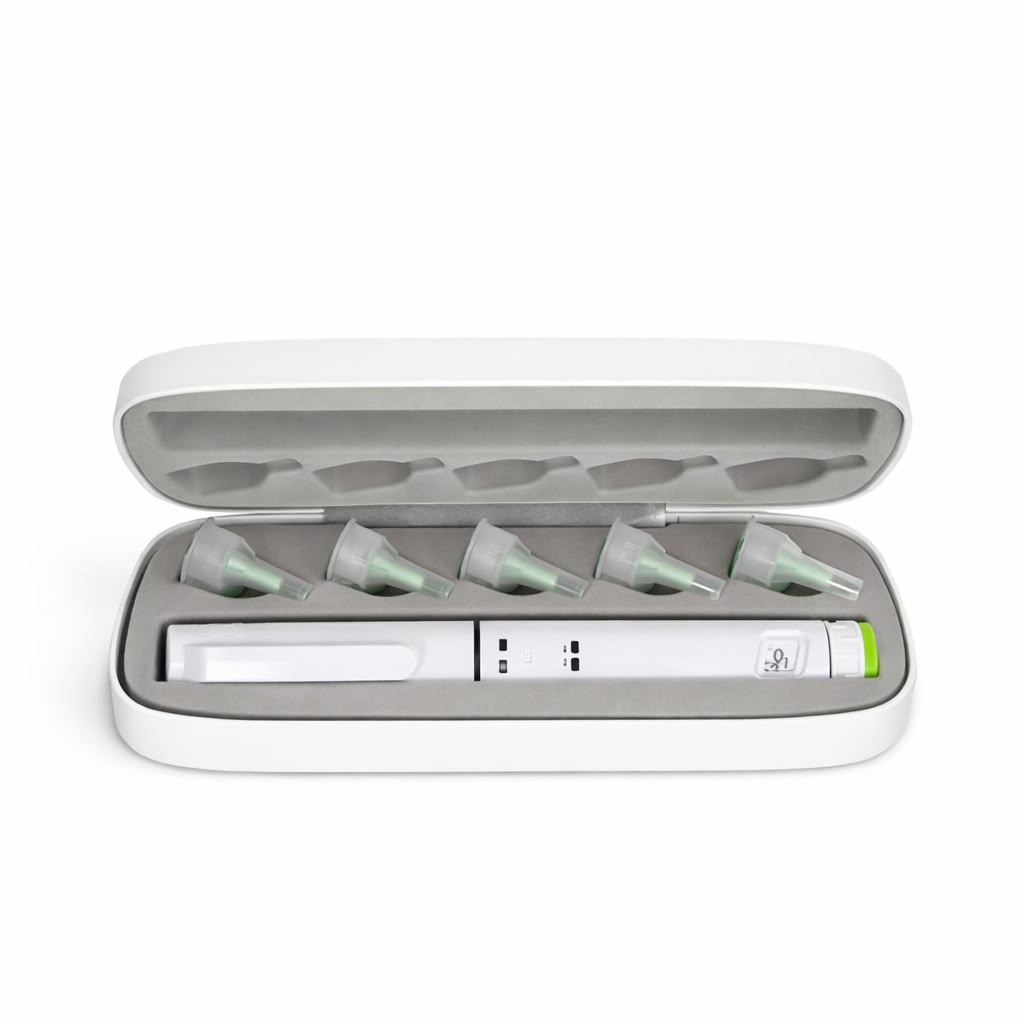
Comprehensive Laboratory Profile
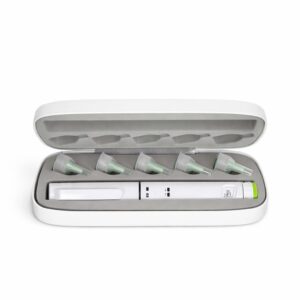
The acquisition of specialized copper-binding peptides in pre-loaded, controlled-release formats provides institutional laboratories with the advanced capability to observe dermal signaling and tissue repair without the variables of manual reconstitution. By integrating the GHK-Cu 150mg Pen into institutional protocols, researchers gain access to a highly purified formulation engineered for exact, sterile micro-dosing directly into in-vitro cellular environments.
Manufactured within the USA to the most rigorous industry standards, this specialized delivery mechanism delivers absolute analytical precision. Utilizing the GHK-Cu 150mg Pen formulation ensures your laboratory acquires reproducible data, providing a high-capacity, stable substrate for extensive longitudinal studies while drastically reducing the risk of environmental contamination during transfer.
Biochemical Profile: Dermal Signaling Tripeptide
GHK-Cu is a naturally occurring copper-complexed tripeptide (Glycyl-L-Histidyl-L-Lysine) renowned for its profound affinity for copper ions and its biological role in dermal tissue modeling. It acts as a potent stimulator of fibroblast proliferation and modulates the synthesis of essential extracellular matrix proteins, including collagen and elastin.
By introducing the contents of the GHK-Cu 150mg Pen into an in-vitro environment, researchers can evaluate its highly specific cellular binding affinity. This peptide is critical for studies focusing on the complex downstream pathways associated with localized tissue regeneration, anti-inflammatory signaling, and the mitigation of oxidative stress within dermal fibroblast models.
Mechanism of Action in Cellular Assays
When precision-dispensed onto cellular monolayers or isolated tissue cultures, the compound within the GHK-Cu 150mg Pen functions as a synchronized kinetic trigger. The copper moiety facilitates the activation of numerous metalloenzymes that actively regulate the degradation and synthesis of the structural scaffolding within the tissue model.
By modulating the expression of specific proteins, the peptide aggressively stimulates the survival and proliferation of target cells. The precision pen format allows researchers to administer exact volumetric doses, establishing highly stable micro-environments where rapid dermal signaling and structural regeneration can be monitored with total scientific clarity and zero transfer loss.
Primary In-Vitro Research Applications
The exceptional purity and advanced delivery format of this copper peptide make it a cornerstone for comprehensive dermatological and regenerative R&D:
-
Precision Dosing Assays: Mapping kinetic responses in exposed dermal cells utilizing the exact volumetric control of the dispensing mechanism.
-
Fibroblast Proliferation Modeling: Evaluating the activation rates of fibroblast growth and tissue scaffolding synthesis in standardized in-vitro environments.
-
Extracellular Matrix Studies: Utilizing the high-yield GHK-Cu 150mg Pen to monitor the long-term modulation of structural proteins and metalloenzyme activity across multiple assay plates.
-
Oxidative Stress Mitigation: Using this specific liquid suspension to establish baseline data for cellular survival thresholds following induced environmental stress.
Absolute Purity and Quality Assurance
At Ion Peptides, we recognize that anomalous data caused by degraded substrates or contaminated liquid suspensions critically jeopardizes institutional research funding. Every single batch of the solution utilized in our GHK-Cu 150mg Pen is subjected to uncompromising third-party analytical testing before being approved for loading and acquisition.
We utilize High-Performance Liquid Chromatography (HPLC) to verify a purity threshold of >99.0%. Furthermore, rigorous Mass Spectrometry (MS) confirms the precise structural sequence and successful copper complexation. By securing your supply through our secure USA synthesis network and encrypted crypto gateways, you guarantee your facility receives elite, uncompromised materials in a sterile delivery format.
Storage and Handling Protocols
To ensure maximum molecular stability during secure domestic transit and laboratory use, the dispensing pen is engineered to protect the suspended matrix from light and oxidation.
-
Storage: Keep the dispenser in a climate-controlled, dark environment, ideally refrigerated at 2°C to 8°C. Protected from excessive light and temperature fluctuations, the internal matrix remains stable for up to 24 months.
-
Handling: Utilize clean, dry, gloved instrumentation when operating the precision dial. Prime the dispenser according to standard laboratory protocol before the first application to ensure volumetric accuracy. Introduce the suspended peptide directly to the target assay medium, ensuring the sterile tip does not come into direct contact with external contaminants. Return the protective cap immediately after use and return the unit to refrigerated storage.
Reviews
There are no reviews yet.